
We diagnose EV chargers that keep tripping, stop charging after a period of use, behave intermittently, or suffer from app, software, Wi-Fi and connectivity issues across Stafford.
Book diagnostic visitEV charging faults are often passed between installer, manufacturer and vehicle dealer — especially when the problem is intermittent. Nexphase provides structured EV charger diagnostics under real charging conditions, allowing us to determine whether the issue lies with the installation, the charger hardware, the vehicle, or software and connectivity factors.
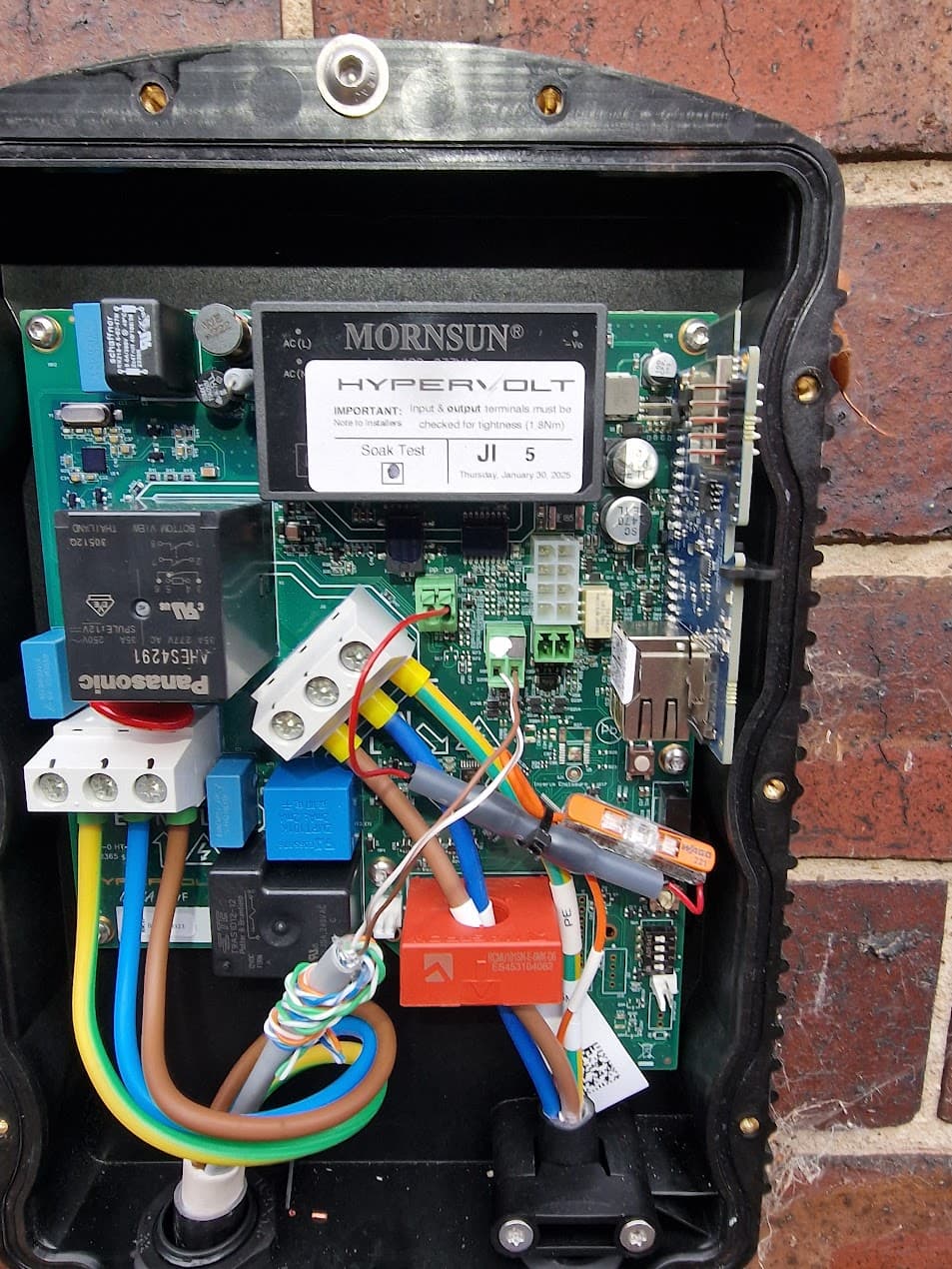
We investigate repeated RCBO or RCD tripping, charging that stops after 10–20 minutes, chargers that refuse to start, intermittent faults, chargers going offline, failed app setup, Wi-Fi or communication issues, and situations where public charging works but home charging does not. Our goal is to isolate the true cause using measurable evidence and a repeatable diagnostic process.
Basic electrical readings alone rarely reveal intermittent EV charging faults. We carry out EVSE functional testing using a specialist EV charger test adapter and observe the system under sustained charging load. This allows us to replicate real-world behaviour and identify issues that only appear during extended charging sessions.
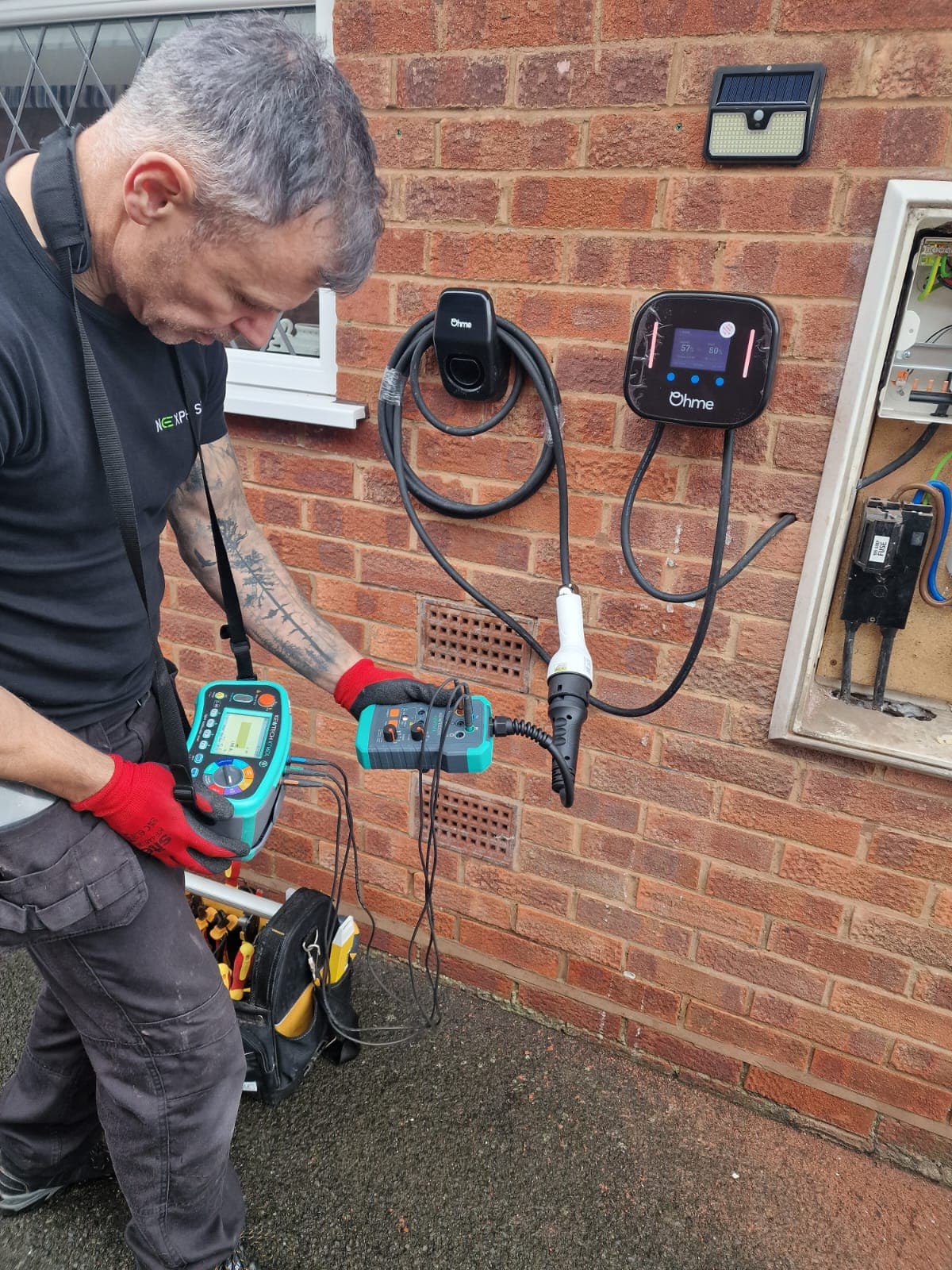
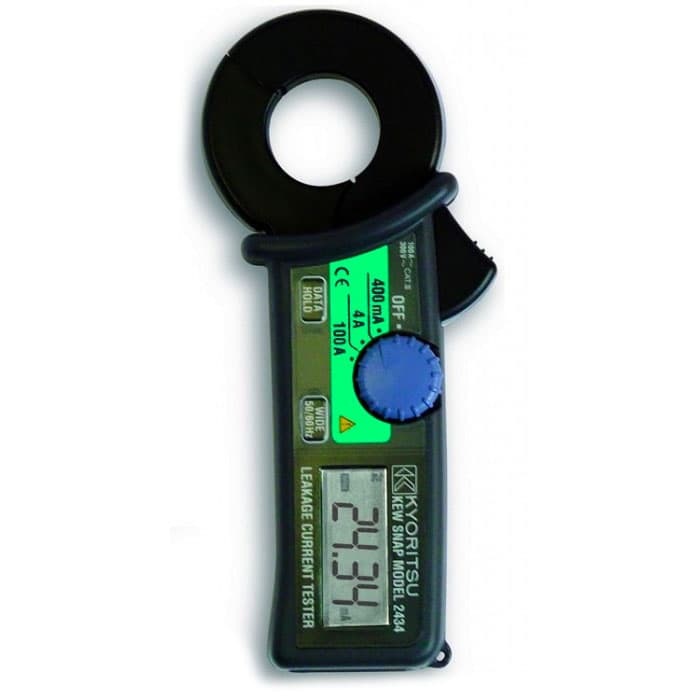
Many nuisance trips occur because residual current gradually rises during charging and approaches the 30mA trip threshold. Using a high-sensitivity earth leakage clamp meter, we monitor leakage behaviour during charging to identify borderline conditions and provide a clear explanation of what is happening.
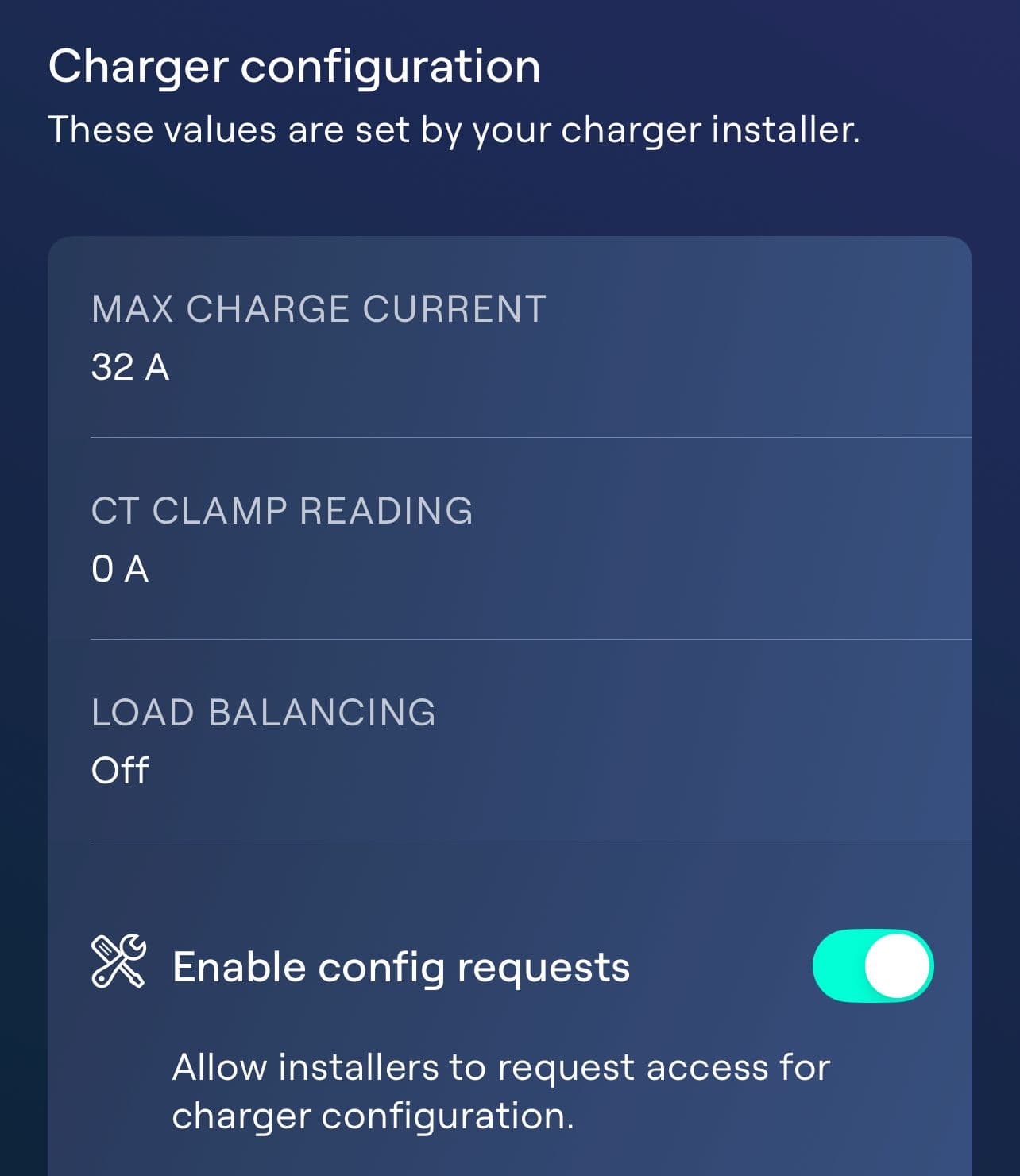
Not every EV charger fault is electrical. Some problems arise from incomplete setup, incorrect software configuration, weak Wi-Fi coverage, router or DHCP issues, or chargers that drop offline and lose smart functionality. We help determine whether the problem is electrical, charger-related, software-related or caused by network connectivity affecting the charger.
After testing, you receive a structured diagnostic summary outlining the key tests performed, behaviour observed under load, and our technical findings with recommended next steps. This is not an EIC or EICR — it is a documented EV charger fault assessment designed to provide clarity and direction.
When charging issues are being passed between installer, manufacturer and vehicle supplier, an independent diagnostic assessment can help determine the real cause. Nexphase diagnostics provide clear technical findings that can help move a fault investigation forward.
If your charger keeps tripping, stops charging after a period of use, goes offline, refuses to connect properly, or you need a clear answer on whether the issue is installation, charger hardware, software, connectivity or vehicle-related — book a diagnostic visit and we’ll run structured testing to identify the cause.
Book diagnostic visit